
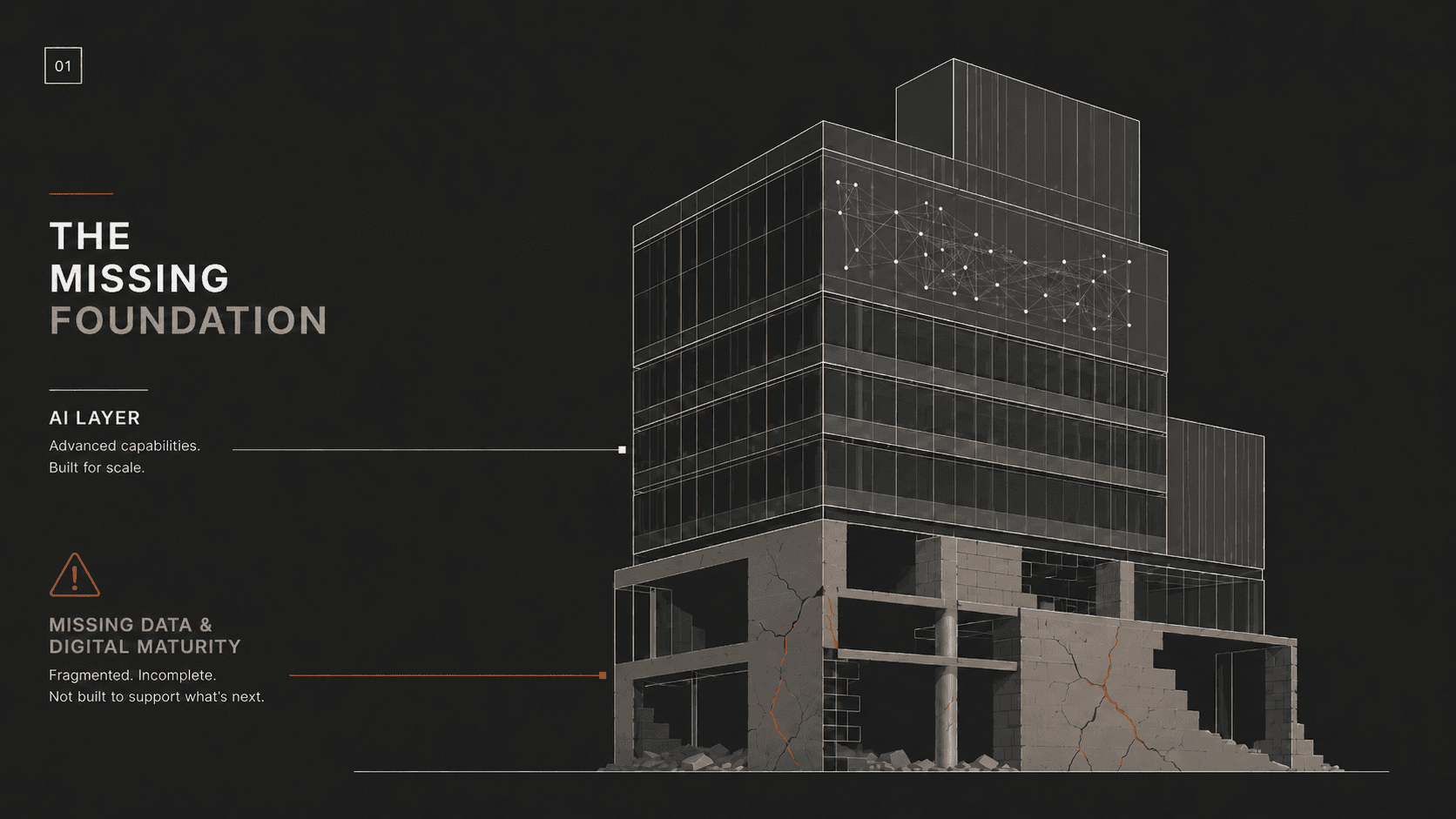
The Missing Foundation: Why AI Falls Short in Most Organizations
Across many organizations, senior leaders share a common enthusiasm for artificial intelligence. The message from the top is clear: everyone wants AI, and it should make everything faster. In practice, this often translates into one of two approaches. Leadership either engages large consulting firms at multimillion-dollar cost or simply purchases licenses and tools for the broader workforce with the expectation that productivity will rise almost automatically. Both paths assume that access alone is enough. It rarely is.
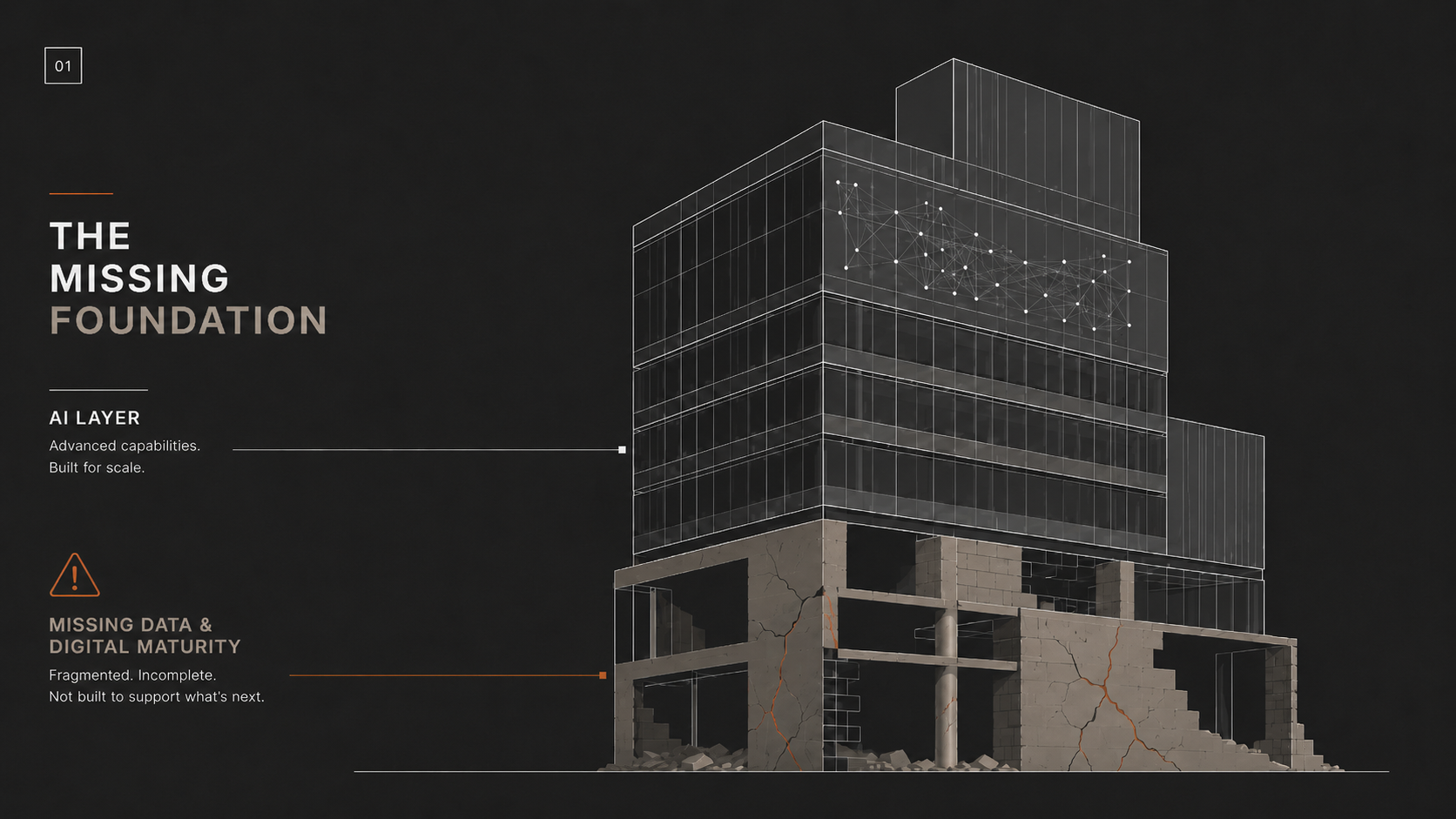
The deeper problem is that most organizations have not completed the earlier stages of their digital journey. They are not yet digital-first or cloud-native, and they have not developed genuine proficiency with their own data. AI does not create competence where none exists; it amplifies whatever foundation is already present. Without clean, accessible, well-governed data, and without systems that can reliably expose that data, the results remain superficial. Large language models can generate polished business plans or reports on demand, yet those outputs are usually generic. They lack the specific context of the organization’s history, constraints, customers, and internal knowledge. Meaningful results require that context to be deliberately supplied.
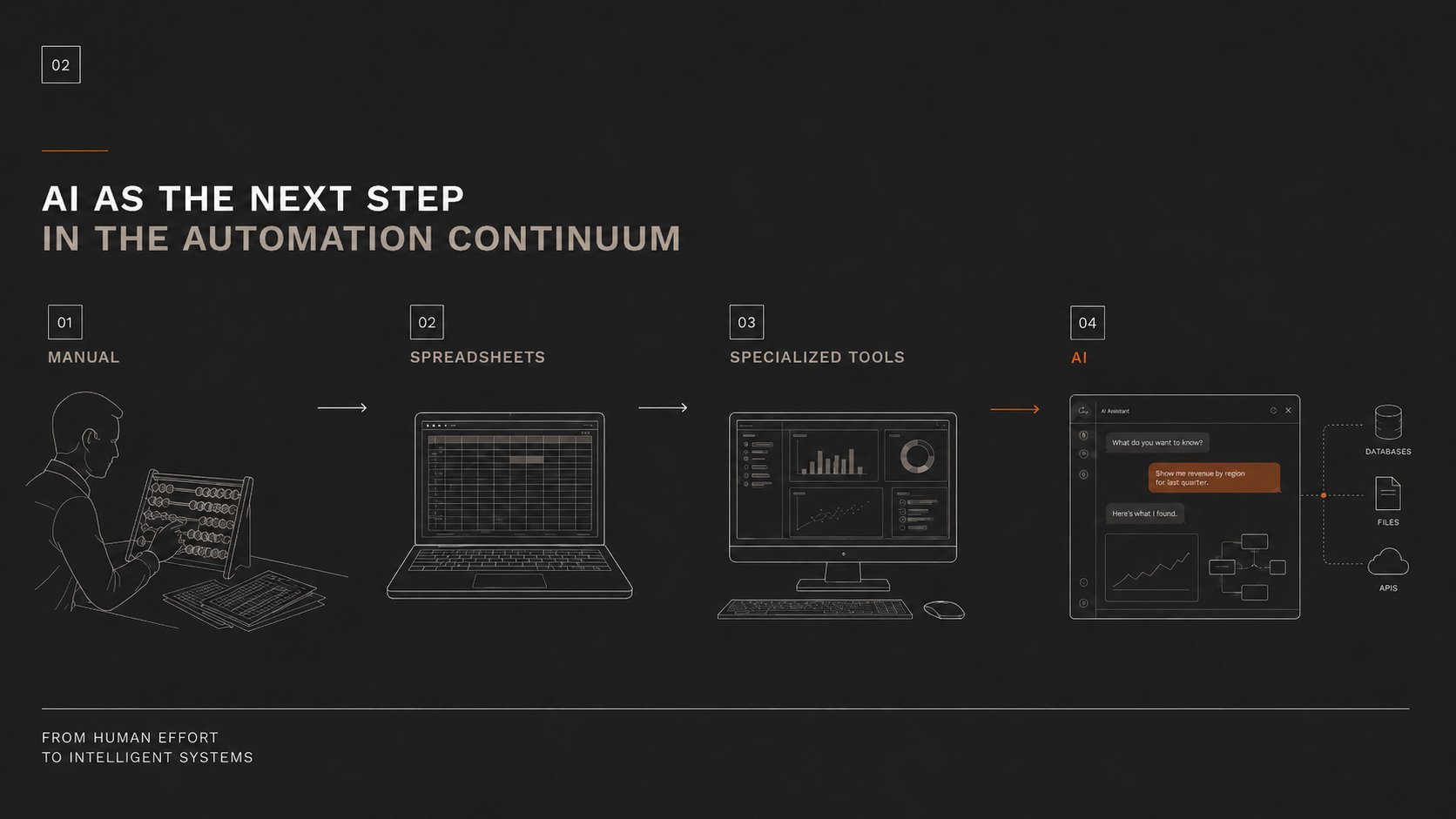
This gap fuels unrealistic expectations. Many treat AI as a near-autonomous solution that will resolve long-standing operational problems on its own. In reality, AI is simply the next step in a long automation continuum—one that began with manual calculations, moved to spreadsheets, progressed through specialized tools, and now reaches systems capable of more fluid, conversational interaction. A chatbot with fixed responses is replaced by something more adaptive, but the underlying requirement for structured processes and reliable data remains. When organizations skip those prerequisites, the promised autonomy produces disappointing outcomes, and the cost of tokens and licenses can quickly exceed any measurable benefit.
The challenge is compounded by the speed of change. Capabilities evolve rapidly—from early experimental coding patterns to debugging, context management, and increasingly sophisticated agentic loops. Large organizations struggle to track, evaluate, and absorb these shifts while simultaneously repairing the foundational infrastructure they still lack. At the same time, a critical source of organizational knowledge—the unstructured conversations that occur in meetings, workshops, and daily collaboration tools—is routinely lost or reduced to thin summaries. That lived context is part of the organization’s real secret sauce, yet it is rarely captured in a form AI systems can use.
A more realistic path begins with restraint and focus. Rather than launching enterprise-wide programs that the organization will depend on, treat rapid experimentation as a core part of product strategy. A small group of forward-deployed engineers or dedicated "tinkers" can continuously test specific use cases, learn what actually delivers value, and decide whether further investment is justified.

This testing layer sits on top of a deliberately designed technical foundation: decisions about where models are hosted for security reasons, how access is controlled, and how systems integrate with the tools people already use every day. Placing capable copilots inside the platforms where work already happens—collaboration tools such as Teams or Slack, for example—makes far more sense than treating AI as a separate destination.
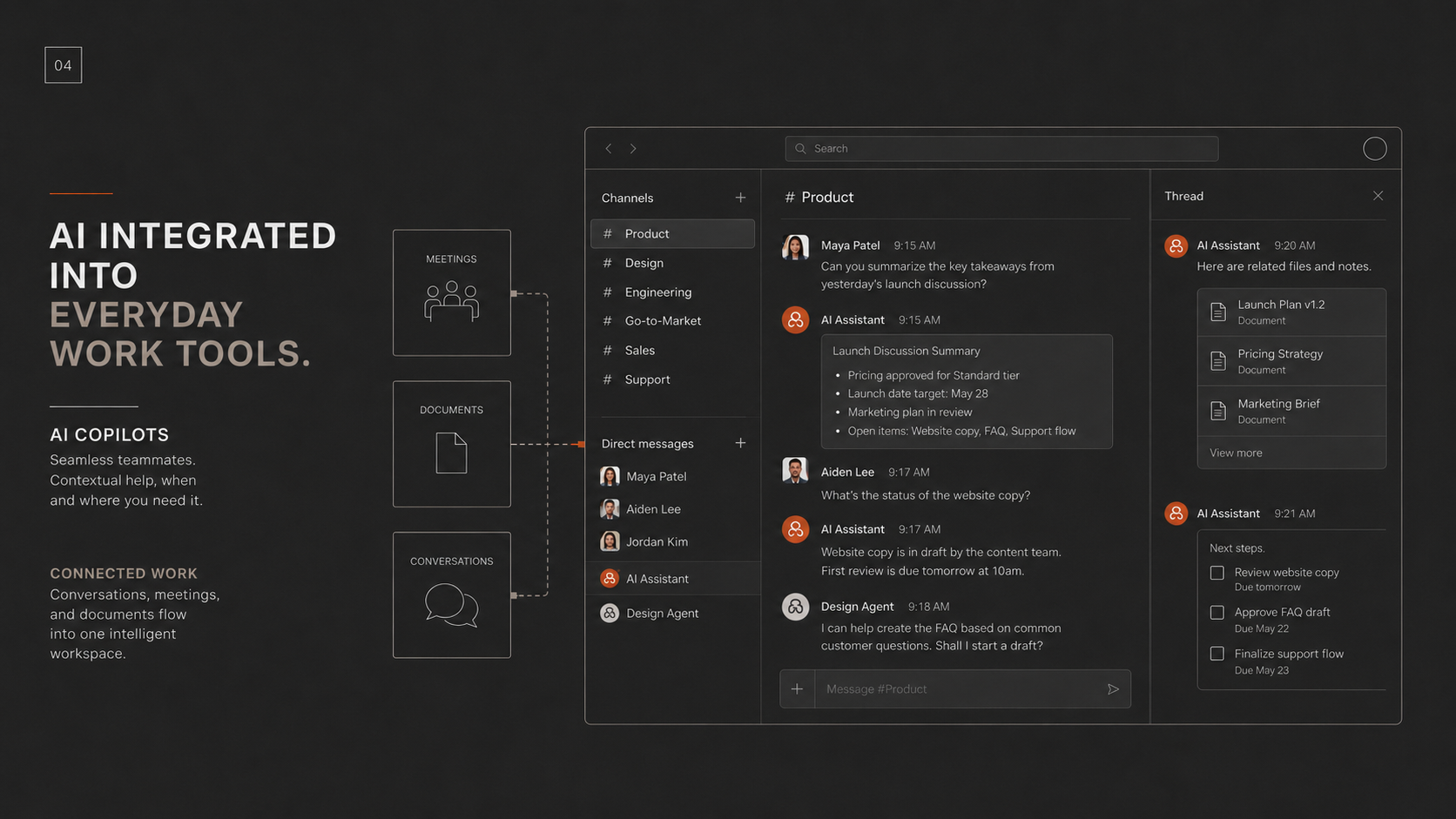
In the end, the organizations that extract real value from AI will be those that treat it as an extension of disciplined digital and data practice rather than a shortcut around it. The technology is powerful, but it cannot compensate for missing foundations. Building those foundations first, experimenting carefully, and integrating AI into the flow of real work remain the only reliable routes forward.
As usual, follow me on X @asmagin_